RCB’s home truth: Flailing, failing and falling behind

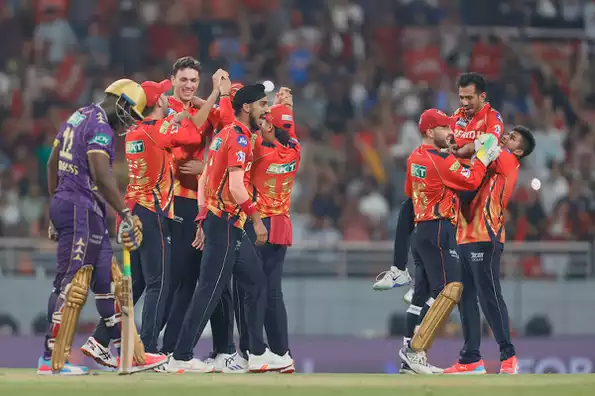
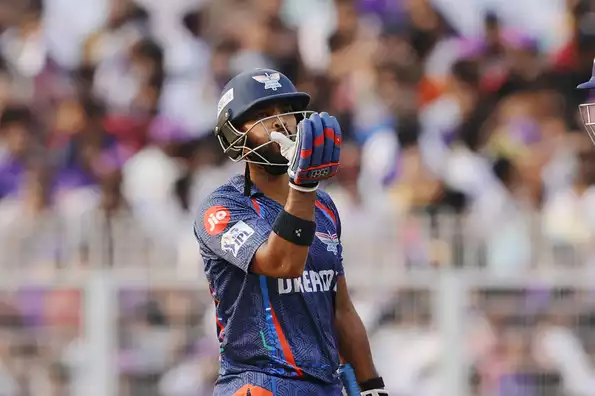
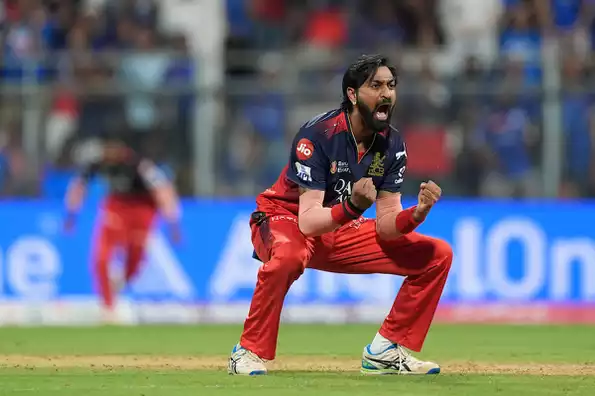
Early in Punjab Kings’ modest chase of 95, Virat Kohli turned into a mime artist at slip. With animated gestures, he signalled to his captain Rajat Patidar, posted all the way at mid-on, to shift a deep fielder squarer. Kohli theatrically sealed the skit with an imaginary pull shot and a ballooning ball. Next delivery, Bhuvneshwar Kumar dug it in. Prabhsimran Singh obliged. And just as Kohli had drawn it up, the miscue floated, only to drop inches short of Yash Dayal at deep square-leg. Over three games at the M. Chinnaswamy Stadium, a pattern has emerged, both in and outside the PowerPlays: fast bowlers with mid-on and mid-wicket in, grass left vacant out in front of square, horizontal bat shots invited, and the pitch coaxed to misbehave. As it turns out, it’s RCB who’ve kept taking the bait: three home games, three falls, each one a mirror held up to their own blueprint in what’s otherwise been a very promising first half of the season. The numbers are damning. In RCB’s previous home game, Delhi Capitals seamers bowled 27 back-of-good-length deliveries, which yielded just 26 runs and claimed two wickets. At least three Delhi batters – Faf du Plessis, Jake Fraser-McGurk and Abishek Porel – themselves were caught in the cross-batted trap. And yet, against Punjab Kings, the lessons weren’t learned. After being put in to bat, RCB’s top order flailed and failed again, swinging across the line and losing their wickets cheaply. Arshdeep Singh began with a full delivery to Phil Salt in search of swing and was driven for four. The India seamer didn’t long to pull back his length had Salt caught in the trap. Arshdeep then got Kohli, who couldn’t clear mid-on with his attempted pull. Liam Livingstone tried to manufacture length by charging out to Xavier Bartlett and holed out. Krunal Pandya too tried and failed with the pull. The sight of a miscue ballooning up and falling into the hands of a fielder inside the circle has become all too familiar in Bengaluru this season. 47 deliveries from PBKS’ pacers were marked at good (six-to-eight metres from the stumps) or just back-of-good length and they cost just 50 runs, bringing five RCB wickets. By the start of the seventh over, RCB were 33 for 5, already chasing the game. Plenty of column inches have already been devoted to RCB’s surprise at how their home has behaved and Josh Hazlewood, who had another productive outing, summed it up succinctly after the game: “Yeah, I think it’s not a typical Chinnaswamy wicket. Obviously the bounce has always been there, but in past years it’s probably been more consistent. I find if you really hit the wicket hard on that six to eight metres, it’s quite tough to bat and we’ve found that.” To be fair, RCB haven’t had the rub of the green either. Patidar has lost all three tosses, forcing his side to work out a par score each time, an inherent disadvantage on a ground with a notorious reputation for being difficult to defend. Friday’s game was also truncated to 14-overs-a-side, forcing them to push harder. But then comes the RCB paradox. For years, they were criticised for under-utilising their batting firepower at a venue made for big totals, often leaning on an anchor and leaving their best hitters with too little runway. Now, having assembled a deep line-up of hitters and embraced a full-throttle batting approach, they find themselves saddled with a surface that might just reward a touch of that old-school, slow-burn method of innings building. “Maybe it might be a case of pulling back a touch and having a look… giving yourself a little bit of time,” Hazlewood reckoned. “I know in the first two games we lost here it was a batter down the team going big and getting a partnership and scoring big late in the game. So if we can have a top five, top six doing the batting for the 20 overs, I think that will go a long way to helping us win.” For a team desperate to end a title drought, though, two stumbles, that weren’t mere coincidences as Patidar pointed out, should have already sparked some course correction. As KL Rahul showed with his chasing masterclass of tempered aggression the other night, the runs are there to be had, just slightly later in the innings, if one is shrewd enough to pick the right bowlers, the right lengths, and the right shots. Even tonight, Tim David waited for his moment and took Harpreet Brar for 21 in a single over. Nehal Wadhera cashed in when Suyash Sharma missed his lengths during a tight phase in the chase. RCB, in contrast, have tried to stay true to their doctrine but have ended up in strange positions, like their ace spin-hitter Patidar falling to (admittedly high-quality) spin twice (Kuldeep, Chahal) on a pitch where fast bowlers have posed the biggest challenge off the deck. Doubling the dose of irony, it was a PBKS batter, Marcus Stoinis, who sealed this match shut with a cross-batted swipe, the very shot that has repeatedly undone RCB this season. A fitting full stop to a familiar story. RCB could’ve been nudging the top of the table instead of jostling in mid-table traffic had they won even one of their three home games so far, because they’ve looked the part on the road. As Director of Cricket Mo Bobat put it, there are no extra points for home wins, but failing to capitalise on familiar conditions heaps pressure on away fixtures where teams rock up and are expected to adapt on the go. They’ve shown they can improvise on the fly, but it is time to deliver by design. The good news? Four more chances remain in the second half, including a crunch run-in with three of their last four games scheduled at the Chinnaswamy. If a playoffs push is on the agenda, some level of adaptability and home…

Read More

CSK sign Dewald Brevis to replace injured Gurjapneet

Chennai Super Kings have signed young South African international Dewald Brevis for the remainder of IPL 2025. Brevis has been brought in as a replacement for pacer Gurjapneet Singh. They were able to sign the South African as the replacement since there was one overseas slot left in their roster. Even though Brevis had a base price of only INR 75 Lakh in the auction at the end of last year, CSK have signed him for INR 2.2 Crore. This is a significant coup for the five-time champions having signed one of the best young prospects in world cricket. Even though he has played only a couple of matches for South Africa so far, Brevis was already in the spotlight a few years ago, drawing comparisons with the legendary AB de Villiers. He had already played 10 matches in total for Mumbai Indians in the IPL and continues to represent them in MLC and SA20. Overall, the 21-year-old has already played 81 T20s and has a strike rate close to 145. He will come into the IPL on the back of some good form for his domestic side Titans, scoring consistently in both List A and first-class matches. He was in very good form in the SA20 as well earlier this year. Among the top 10 rungetters in the tournament, Brevis finished with the highest strike rate of 184.17. He will link up with a struggling CSK side that sits at the bottom spot with just two wins so far at the halfway mark. Brevis is the second replacement player for CSK this season who have already signed Mumbai prodigy Ayush Mhatre to replace their regular skipper Ruturaj Gaikwad. CSK’s next game is against arch-rivals Mumbai Indians at the Wankhede on April 20.

Read More

Unusual Wankhede pitch aids MI’s tactical plans

The pre-match projection was 300 but it soon fizzled out, turning out to be a false prophecy. After the first over, that figure seemed wildly unrealistic – a bit of fantasy, in fact. A total of 220-230 appeared as a more attainable total. But as the innings wore on, it felt even 175 would be a commendable achievement. In the end, SunRisers Hyderabad limped to 162 for five – a total that once seemed like a distant mirage. If not for two late surges in the 18th and 20th overs, which cumulatively yielded 43 runs, they might have struggled to even touch 150. The home side successfully managed to choke the free-flowing SRH batsmen. Here was a side that chased down 245 in the 19th over in the previous game. In their season-opener versus Rajasthan Royals, they had threatened to breach the 300-mark before settling for 286. If they struggled to reach 150, it was because Mumbai Indians knew it was not easy to outbat Abhishek Sharma & Co. So, they smartly laid a well-caliberated trap to stifle SRH’s free-scoring batsmen. “It wasn’t the easiest wicket. (A) few runs short, we would have liked some more (runs) with the bat. When you come here you expect it to be really fluent and fast, just wasn’t that. They bowled really well, shut down a lot of our hitting areas. I thought we had all our bases covered, with 160 you feel like you are a little bit short,” SRH skipper Pat Cummins said, admitting that the visitors had expected something else from the wicket. The Wankhede, historically, is one of the most batsman-friendly venues in the IPL. Uncharacteristically, it did not allow for stroke play on the night. There was moisture beneath the red soil pitch, prompting the ball to grip and turn. It didn’t come on to the bat quickly enough, making strokeplay difficult. The slower deliveries, in particular, were even harder to put away. Travis Head realised this hard way. One of the most explosive batters in the IPL, boasting a career strike rate of over 172, he found himself completely shackled by the MI bowlers. They tied him down with clever change in pace, forcing him into a shell. He crawled to 28 off 29 balls at a frustratingly slow strike rate just over 96 – his slowest in any T20 innings of more than 20 deliveries. It was also the second-slowest innings (of a minimum 25 deliveries) of the season. Even a reprieve – a dismissal overturned due to a no-ball – couldn’t help him shift gears. “It was a difficult surface and Mumbai read the conditions exceptionally well, and after probably the first few overs, they really relied on that slower ball. The slower ball is obviously effective, but it’s mainly effective because of their execution, and there’s some supreme exponents of it in (Jasprit) Bumrah, Trent Boult and even Hardik Pandya. So I think the way that they bowled, particularly through those middle stages, really stifled us,” Daniel Vettori, SRH coach, said. MI bowled 30 slower deliveries, conceding just 30 runs and picking up one wicket. In contrast, SRH bowled three more slower balls but ended up conceding twice as many runs. They managed three wickets off those slower ones but MI batters were too strong on the night. “We stuck to simple basic plans. Credit to the bowlers for sticking to that (plans). We were kind of squeezing them. After the first couple of overs that Deepak bowled, a couple of balls got stuck and we realized that maybe a change of pace will be useful on this wicket,” MI skipper Hardik Pandya said. In addition to their well-disguised slower balls, the MI bowlers delivered some crushing yorkers. But the real game-changer was the off-spin of Will Jacks. The English all-rounder was smartly deployed by Pandya against the SRH left-handers. He bowled three tight overs, conceding just 14 runs and picking up two key wickets. “We know Sunrisers are incredibly explosive. When they’re on a good wicket they’re very tricky to bowl to. We saw how good they were last week obviously,” Jacks said. “It was not what we’ve seen in the past here, but it was definitely still a good wicket. We felt when there was pace on the ball we thought we could play our shots freely as long as we weren’t trying to over-hit the ball.” Abhishek Sharma gave SRH a strong start but there was not much support for him at the other end. Nitish Reddy and Heinrich Klaasen tried to build the innings but acceleration was not easy for them. Klaasen took Deepak Chahar to the cleaners in the 18th over (21 runs). Later Aniket Varma did the same to Pandya in the 20th over (22 runs) but SRH are known for producing more high-yielding overs than just two. When Mumbai Indians came out to bat, the moisture had dried up, and scoring had become a much easier proposition. While the pitch may not have been ideal for a Twenty20 contest, it suited the Mumbai Indians’ plans perfectly – especially against a batting-heavy opposition. The conditions played right into their plans. The home advantage, an entitled privilege, was fully capitalised on. After their comfortable four-wicket win – second on the trot and third overall – the Mumbai Indians campaign, it seems, is back on the track.

Read More

Stats: PBKS defend the lowest ever IPL total

A year after PBKS gunned down 262 against KKR at the Eden Gardens – the highest-ever successful chase in Men’s T20s – they flipped it around on Tuesday with bowlers playing a starring role. Here’s a look at all the records broken during the low-scoring thriller between Punjab Kings and Kolkata Knight Riders in Match 31 of IPL 2025, played in Mullanpur: 111 by PBKS is the lowest ever total successfully defended in IPL history, bettering Chennai Super Kings’ 116/9 against them at Kingsmead, Durban, back in 2009. Lowest totals defended successfully in IPL history Score Team Opponent Venue, Year 111 PBKS KKR Mullanpur, 2025 116/9 CSK PBKS Durban, 2009 118 SRH MI Mumbai WS, 2018 119/8 PBKS MI Durban, 2009 119/8 SRH PWI Pune, 2013 5 – This was the fifth instance of both teams getting bundled out in an IPL game, with KKR being involved in three of them. Both teams getting all-out in an IPL match Match aggregate Fixture Venue, Year 316 Deccan Chargers vs RR Nagpur, 2010 180 KKR vs RCB Kolkata, 2017 205 MI vs SRH Mumbai WS, 2018 314 MI vs KKR, Mumbai WS, 2024 206 PBKS vs KKR Mullanpur, 2025 95 is KKR’s joint second-lowest all-out total in IPL history, alongside as many against Mumbai Indians at Gqeberha in 2009. Their all-time lowest is 67 all-out against MI at the Wankhede Stadium in 2008, while they were also restricted to 84/8 in 20 overs by RCB in Abu Dhabi in 2020. Lowest all-out totals for KKR Score Overs Opponent Venue, Year 67 15.2 MI Mumbai WS, 2008 95 15.2 MI Gqeberha, 2009 95 15.1 PBKS Mullanpur, 2025 101 19.4 Deccan Chargers Cape Town, 2009 101 14.3 LSG Pune, 2022 111 is the third-lowest all-out total for PBKS, only behind 88 against RCB in Bengaluru (2015) and Indore (2018) respectively, and 73 against Rising Pune Supergiant in Pune in 2017. 36 wickets for Sunil Narine against Punjab Kings is now the most by a bowler against an opponent in IPL history, surpassing Umesh Yadav’s 35 against the same team. Yuzvendra Chahal too entered this list, and now has 33 wickets against KKR. Having already bagged 32 wickets against his current franchise across the previous editions, he’s now the only bowler with 30-plus wickets against two different teams in IPL history. Most wickets against an opponent in the IPL Player Opponent Matches Wickets Ave SR Econ BBI Sunil Narine PBKS 26 36 19.3 16.6 6.95 5/19 Umesh Yadav PBKS 22 35 17.88 14 7.63 4/23 Dwayne Bravo MI 22 33 18.66 14 7.96 4/42 Yuzvendra Chahal KKR 23 33 20.75 15.6 7.96 5/40 Mohit Sharma MI 21 33 20.21 13.5 8.95 5/10 Yuzvendra Chahal PBKS 21 32 18.96 13.9 8.18 4/25 Bhuvneshwar Kumar KKR 30 32 27.25 20.4 8 3/19 8 hauls of four wickets or more for Chahal in the IPL drew him level with Narine to level at the top-spot, surpassing Lasith Malinga’s seven such hauls. This was also Chahal’s third four-plus wicket haul against KKR in the IPL, the joint-most for any bowler against a single team, alongside Narine’s as many against RCB. Most 4-plus wicket hauls in the IPL 8 – Yuzvendra Chahal 8 – Sunil Narine 7 – Lasith Malinga 6 – Kagiso Rabada 5 – Amit Mishra Other nuggets 6.64 – Glenn Maxwell’s average in 14 innings across IPL 2024 and 2025, with an aggregate of 93 (SR: 110.71) and five ducks. Of the 75 players who have batted at least 10 times in the IPL since 2024, only he has a sub-10 average. 5 – There have now been five maidens bowled in IPL 2025, and each has included a wicket. Arshdeep Singh delivered the most recent one, the 15th over of KKR chase, and dismissed Vaibhav Arora to take his side one step away from victory. The other four bowlers to have bowled maidens in IPL 2025 are: Jofra Archer vs CSK, Vaibhav Arora vs SRH, Mukesh Kumar vs RCB and Moeen Ali vs CSK. 5 – Sunil Narine has been dismissed seven times in the first over of an IPL innings, five of those came against left-arm quicks. He was the first KKR batter to be dismissed on Tuesday, falling to Marco Jansen.

Read More

Imperfect CSK find a way through small moments

There were instances scattered all over Monday night in Lucknow that would tell you why Chennai Super Kings are where they are on the points table this season. Two vital points were gained to put them on level with three teams above them, and that’s all that truly matters at this stage, but not all wrongs were righted along the way. Yet, CSK’s expectations of channelling all the hurt of the last two weeks into something meaningful was achieved through some switch-flicking moments and one-upping LSG in a few other passages of play to break their longest-ever rut in a season. The PowerPlay flip – Part I Rahul Tripathi spun around and tore across from cover-point in the first over as one pocket of the Ekana crowd, all yellow and expectant, willed him on, perhaps believing that their rising volume would add speed to his legs. They’d want to believe it did because he ate up ground in front of him, lunged forward and held onto a sensational catch. Aiden Markram, one of LSG’s batting architects this season, was snuffed out and with that moment, the burden of being poor catchers (13 drops before this game) lightened a touch. The reversal in PowerPlay fortunes took a real big turn in the fourth over, when Anshul Kamboj was confident he’d brought a premature end to the innings of the best batter of the season with an LBW. MS Dhoni signalled to his bowler that the ball could’ve gone down the leg side – usually the final word when it comes to a review. But Kamboj persisted for his conviction to override Dhoni’s instinct and came away with a massive prize – Nicholas Pooran’s exit for just eight runs. This went a long way in keeping LSG down to a sub-50 total in that phase. The Spinphony ft. Noor & Jadeja Ravichandran Ashwin’s match-up gains against left-handers was not considered worthy enough for him to stay in the XII in what has been a disappointing season for the offspinner. Ravindra Jadeja too has been rather middling with the ball, but stepped up in conditions where spinners across both teams treated themselves to miserly spells. In conditions CSK would love to have at home, Dhoni turned spin conductor again and Jadeja his obedient artist, sticking to the tunes and rhythms by the book. The wicket delivery to Mitchell Marsh came off muscle memory – bowled from round the stumps, skidding from length at pace to sneak under the horizontal bat and disturb the stumps. Noor Ahmad was a bigger menace from the other end. He preyed on Rishabh Pant’s spin vulnerabilities to bowl 10 of his 13 dots at the LSG captain. Every attempt to make room and cut Noor away through the off-side was futile as Pant repeatedly hit to the cover fielder or just flayed at air. Noor also tied down Mitchell Marsh and Ayush Badoni in a spell worth just 13 runs and no fours or sixes. Badoni resorted to premeditation against the other bowlers and became Jadeja’s second victim. “In a game like this, that [4-over spell for 13 runs] sets up a win in many ways,” CSK’s bowling consultant Eric Simmons said of Noor. “So, certainly from a bowling coach perspective, you recognise the fact that it’s not always wickets that you take, but it’s the wickets that you earn for your team, the role that you play. What I saw today was him bowling a lot more accurately. He bowled a little slower, which normally shows good confidence.” The PowerPlay flip – Part II The bigger demons in CSK’s closet have been their batting inefficiencies. Fleming didn’t subscribe to the need for specialist six-hitters in a tournament full of them, and a 20-year-old Shaik Rasheed offered him a vindication of sorts. Rasheed took Devon Conway’s spot at the top and gave a glimpse of the early intent that has been missing all season. He got the CSK faithful going in the chase with a gorgeous flick to the mid-wicket fence off Akash Deep, followed by expert field manipulation as he hit one straight over the bowler’s head. Rasheed ended the same over with a whip over mid-wicket once more. The flicks – and a cover drive – came out against Shardul Thakur too in what was CSK’s fastest start to an innings (37/0 in 3 overs). Rachin Ravindra matched his opening partner – the youngest-ever for CSK – shot-for-shot in a chase-setting PowerPlay. “I think he was ready about a year ago,” Simmons said of Rasheed. The Andhra batter has been in the CSK ranks since the 2023 season, but form and injuries have allowed CSK to roll the dice with him only in 2025. “He’s a wonderful player. A lot of guys talk about how he reminds them of a young Ruturaj. Just the way he plays, his shot making,” Simmons added. “I am very happy for him. We have a cap-handing ceremony, and the applause that he received was a testament to the popularity of the young guy. His work ethic in the nets… he’s always smiling. He hasn’t played for a few years, and he’s never stopped working, never stopped smiling, never stopped being a positive guy in the room.” The Dhoni crescendo A thick fog of anticipation hung in the air in Lucknow as Vijay Shankar exited after 15 overs of the chase. LSG players made a beeline towards Justin Langer on the side of the pitch and Shivam Dube waited. A couple of dramatic seconds later, Dhoni strode in. The 43-year-old’s hitting power – particularly against pace – has shown no signs of decline, even as his entry points have remained a talking point all season. LSG’s smart spin maneuvers through the middle gave them control going into the death overs, but the energy shifted with each step he took towards the centre. Fans quickly changed track from ‘CSK…CSK’ to ‘Dhoni… Dhoni’ after just one booming shot through extra cover. A cheeky dab to third man fence…

Read More

Rahul aces ‘home’ conditions that RCB continue to struggle with

In their decisive 111-run stand, KL Rahul and Tristan Stubbs had stuck to a formula that worked for them at the time they were in the crease. “He [KL Rahul] kept enforcing and reminding me to look straight. He kept saying it’s a really small straight, giving me confidence. The whole thing was look straight -spin, seam,” revealed Stubbs at the end of Delhi Capitals’ six-wicket win on Thursday. It was a plan that worked wonders for them. Together, the duo scored 63.5%, or two-thirds, of their runs between mid-wicket and long-off. By the time they got together, which was predominantly in the second-half of the chase, the conditions too had changed along the way. There had been a bit of a drizzle around, which also affected the play, soon after which the duo went on the offensive. The first 14 balls of their stand yielded only nine runs without a boundary. The situation, with DC having lost four with 58 on board, also called for that caution. The next 41 balls saw a steep upsurge with the duo scoring at over 15-an-over to finish it off in a canter. Stubbs revealed that at the halfway stage, the pitch had him stumped and wondering how he’d get a run there with the way DC’s spinners had fared. A chat with Faf du Plessis had led to a thought of taking the game deep and “scoring fifty in the last five overs”. Rahul, who later owned the ground saying – “This is my ground, this is my home. I know this better than anybody else,” – had made Stubbs’ life easier at the start of the innings before he got a hang of the conditions and went back to “old-school cricket”. Their partnership beggared belief that the pitch had any demons on it as the scorecard had suggested. And yet, it had been anything but straightforward right through the match. Assessments of the black-soil pitch from both the camps had consistently pointed to the challenges. Cross-batted shots across both teams had yielded only wicket clumps. “While wicketkeeping I figured that the ball sat in the wicket a little bit, but it was consistent throughout – it wasn’t two-paced, it was one-paced throughout,” said KL Rahul. “I knew what my shots are. Just wanted to get off to a good start, be aggressive initially and assess it from there. If I was trying to hit a big six, I knew what pockets to target. Wicketkeeping gave me a feeler for how the other batters played and where were they dismissed,” he’d add. RCB’s batting coach and mentor Dinesh Karthik also believed so. “Definitely, this is not a pitch that’s helping the batters too much. It’s a challenging pitch. So that has been the case so far in both the games that we have played. The first game, there was dew. So it got a lot better to bat on the second innings. Today, there was not as much dew, but it was right, it was really hard. Then, unluckily for us, a little bit of rain came. And then you could see the difference in the pitch. The shots that they played definitely wasn’t possible in the first innings.” With a second loss at home in a row and going past the record for most losses (45) at a home ground, RCB’s woes with the Chinnaswamy ground has been long-standing. It’s a problem area that they had tried to address in their auctions with a deeper batting line-up and an experienced set of bowlers across disciplines. And yet, they find themselves in a predicament that is not nearing a solution. Like a few other franchises in the tournament already, RCB too has a few reservations about the pitches being prepared, which Karthik hinted at. “I think the way T20 cricket is, the more runs are there, the better it is for the broadcaster, the better it is for the fans. They all like to see boundaries. But in the first two games, we have asked for good pitches. But it’s turned out in this way where it’s been challenging to bat on, for sure. So we try and do the best with whatever we get. That’s how the game goes,” he said. Asked further if there will be chats with the curator, Karthik said, “We will obviously have a chat with him. And we trust him to do his job. And we will try and do the best of what we can.” The push for a truer pitch aligns with RCB’s strengths of having in-form batters that can capitalise on those surfaces. But in the meantime, there would be a challenge of adapting to the conditions on offer. “I think with every pitch, we’ll try and understand what’s the best way to play. I don’t think we have one set template that this is how we want to go out there and play. It’s important to adapt and understand what the pitch is,” said Karthik. “There’s been a wobble when people have tried to stay out there and fight it out as well. It’s been hard to, at times, rotate strike. And the big shot has been really hard as well. So we have tried to control it. But at the end, it’s a T20. You have to play some shots. And that has gotten the wicket of a few batters. We’ll try our best to see what we can do better the next time we come back here,” he finished. RCB have a week before their next outing at home, and the much-awaited upcoming episode of ‘How to tame the Chinnaswamy pitch.’ And if it does turn up like the one today, they’d have some ready cues to take away, thanks to Rahul and Co.

Read More

Pooran, Marsh star as LSG clinch high-scoring thriller

Lucknow Super Giants edged Kolkata Knight Riders in a high-scoring thriller at Eden Gardens to seal their third win of IPL 2025 by four runs. In a match that yielded 472 runs and demanded both power and precision on a ground with a 57-metre boundary to one side, Mitchell Marsh (81 off 48) and Nicholas Pooran (87 off 36) powered LSG to a commanding 238/3. KKR responded with intent, with Ajinkya Rahane leading the charge with a blazing 61. But a late-innings collapse derailed their chase, leaving the defending champions agonisingly short despite Rinku Singh’s late flourish. Where was the game won? In the middle overs. KKR were way ahead of the game after whittling down 90 runs in the PowerPlay. But the nine overs in the middle brought just 83 and to make matters worse, they lost three quick wickets – Ajinkya Rahane, Ramandeep Singh and Angriksh Raghuvanshi – that arrested all the momentum that they’d built. The middle-overs difference: Parameter LSG KKR Score 105/1 83/4 Run Rate 11.67 9.22 4s/6s 9/5 9/1 LUCKNOW SUPER GIANTS PowerPlay: Markram leads the charge Phase Score: 59/0 (RR: 9.83; 4s/6s: 3/4) Mitchell Marsh hit two sixes in the PowerPlay after LSG were asked to bat first, but it was Aiden Markram who took the lead with a brisk start racing to 36 off 19. The duo played watchfully against Vaibhav Arora, who extracted early swing, but targeted the other end. Spencer Johnson, returning to the XI, leaked 30 from his first two overs, while Harshit Rana conceded 16 in the sixth as LSG ended the PowerPlay strongly. Middle Overs: Marsh, Pooran take the baton and run with it Phase Score: 105/1 (RR: 11.67; 4s/6s: 9/5) Marsh surged ahead after the PowerPlay, smashing Narine for two fours and a six. Varun Chakaravarthy offered some control with two tight overs, and a bit of pressure finally paid off when Rana cleaned up Markram for 49 with a clever off-cutter, breaking a 99-run opening stand. But that breakthrough only unleashed more chaos. Pooran walked in, forming a left-right combo with Marsh that made defending the shorter boundary nearly impossible. The duo added 71 in just five overs, propelling LSG to 170/1 by the 15th over and setting up a launchpad for a 200+ total. Death Overs: Pooran tees off Phase Score: 68/2 (RR: 13.60; 4s/6s: 6/5) LSG’s surge to 238 was fuelled by a brutal assault from arguably the best T20 batter in the world right now. Pooran paid no heed to boundary dimensions, clearing his front leg and sending balls soaring across both sides of Eden Gardens. After Marsh fell for 81, Pooran blasted his way to a 21-ball fifty and finished unbeaten on 87 off 36, peppering the stands with eight sixes and seven fours. KOLKATA KNIGHT RIDERS PowerPlay: A 90-runs blitz Phase Score: 90/1 (RR: 15.00; 4s/6s: 9/6) KKR came out all guns blazing, smashing 90 in the PowerPlay – the second-highest of IPL 2025 and their second-best in the tournament’s history. Akash Deep’s 16-run opening over, which included five wides, set the tone. Rishabh Pant backed the Bengal seamer for three overs, but Deep was taken for 43, while Shardul Thakur leaked 30 from two. Despite losing Quinton de Kock to a sharp review, Rahane (35 off 15) and Narine (30 off 12) unleashed a boundary blitz, keeping the chase crackling with early intensity. Middle Overs: LSG find ways to stall the momentum Phase Score: 83/4 (RR: 9.22; 4s/6s: 9/1) KKR lost Narine (30 off 13) immediately after the PowerPlay to Digvesh Rathi, but captain Rahane and deputy Venkatesh Iyer kept the chase alive with a 71-run stand. However, LSG managed to create scoring slowdowns, especially between overs 7-10, which brought just 39 runs. Spinners Rathi and Bishnoi bowled smartly in tandem, defending the shorter boundary effectively. Rahane reached a 26-ball half-century as the equation came down to 90 off 48 – very gettable on this surface. But just as KKR looked set to surge, the momentum stalled. Pant received treatment for a suspected back niggle, before Shardul Thakur bowled five wides to start the 13th over – only to remove Rahane (61 off 35) with a full toss. Another delay followed in the next over as umpires reviewed a wide and a stumping call, eventually ending in Ramandeep Singh’s dismissal via Bishnoi. With just 11 runs coming from overs 14 and 15 and Avesh Khan dismissing Angkrish Raghuvanshi, KKR were left needing 66 from the final five. Death Overs: Rinku’s strikes not enough Phase Score: 61/3 (RR: 12.20; 4s/6s: 9/3) KKR’s chase, which once looked smooth, suddenly unraveled. Thakur removed Andre Russell with another deceptive full toss, rounding off a collapse where KKR lost 5 wickets for 23 runs in the space of 20 balls. The pressure mounted quickly as the impressive Digvesh Rathi followed it up with a stellar 18th over, conceding just seven. That left Rinku Singh needing 38 off the final 12 deliveries and 24 from the last over. He did what he does best, launching a late assault, and finished with a valiant unbeaten 38 off 15 balls. But the task was a touch too steep, and KKR fell agonisingly short by four runs. Brief scores: Lucknow Super Giants 238/3 in 20 overs (Nicholas Pooran 87*, Mitchell Marsh 81; Harshit Rana 2-51) beat Kolkata Knight Riders 234/7 in 20 overs (Ajinkya Rahane 61, Venkatesh Iyer 45; Digvesh Rathi 1-33) by 4 runs. What’s next for the teams? KKR will head to the scene of their first and latest IPL triumph – Chennai – to face CSK on April 11. LSG will head back home to take on the hi-flying Gujarat Titans on April 12.

Read More

Jayawardene laments MI’s powerplay issues

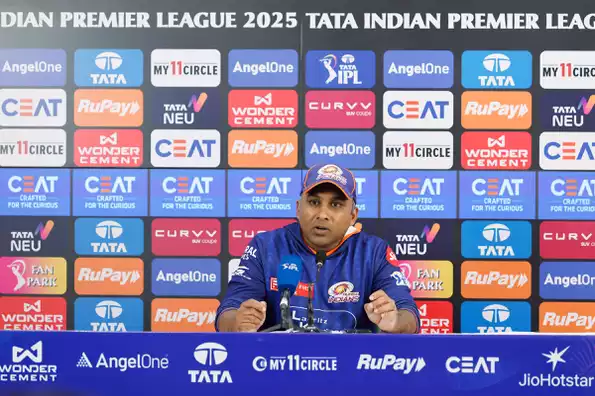
Mumbai Indians head coach Mahela Jayawardene admitted that powerplays have been a concern for his side in this edition. While MI have lost four of their five matches this season, Monday’s (April 8) defeat to Royal Challengers Bengaluru marked their first loss at home. Invited to bat first, RCB racked up 73/1 in the first six overs, their highest ever powerplay total against MI. In contrast, the hosts could only manage a middling 54/2 in the context of the match. “The powerplay is a concern for us with the ball and the bat,” Mahela said after MI’s 12-run defeat. “In the last few games as well, we were leaking too many runs with the ball in the powerplay and we are not getting the starts and losing wickets [with the bat]. “We got an early wicket today as well and then they counterpunched, played good shots and we didn’t react well to that. These are the margins. And then they had the big sixth over [bowled by Deepak Chahar], which really hurt us. We didn’t close the powerplay properly. With the bat as well, I thought we had a good start but just couldn’t continue. We lost those two wickets and then we had to consolidate a little bit and lost a bit of momentum there. We had a few big overs in between even in the powerplay but we weren’t in the game in that first 10 overs [during the chase]. “So the margins are small in this competition and we are not hitting our strides and that’s a concern. We are playing good cricket, but not good enough.” MI also lost their previous game, a 12-run defeat in Lucknow, where a costly 69-run powerplay once again proved decisive. Despite Jasprit Bumrah’s return for this match against RCB, the new ball was handed to Deepak Chahar, a swing bowler who hasn’t had the best of seasons. Chahar has been leaking runs at 11.30 in powerplays this year, the second-worst economy among bowlers who have bowled more than five overs in that phase. “I don’t think chasing was the wrong decision, where we went wrong was with our execution with the ball where we could have controlled things much better,” Mahela said. “I think we got two swing bowlers, we need to give them that opportunity first up and Booms [Jasprit Bumrah] was coming back from a three month layoff as well, so we just wanted to ease him into the competition. “We need to understand that the skills were brilliant but there are areas for us to improve.” MI captain Hardik Pandya played a blinder, scoring 42 off 15 balls but in the end, it was not enough to chase down a mammoth target of 222. “With the talent that we have we know we are always in the game,” the MI head coach said. “We know that we just need to be patient and most of the guys are matchwinners. It’s just that we’re not getting that tempo going consistently. We had to settle down when we lost those early wickets because they also bowled well, they brought the two spinners who didn’t miss much, they bowled well. And we built partnerships after that and then obviously once you hit that 10th-12th over mark, we knew we could give ourselves a chance and obviously when Hardik walked into bat, that was the conversation I had with him. I said try and see whether you can get three big overs in and that’s what he delivered and then the momentum changed.” Being more “ruthless” is something Mahela had emphasized after the loss in Lucknow, and he reiterated the same following the defeat in Mumbai. “I still back the senior pros and all the guys I put out there. I think they have the skill, it’s just that we need to be a bit more ruthless,” Mahela said. “At times we’re missing out on those one or two overs where we lose our discipline, with the bat as well as with the ball. So that’s something that we need to rectify. Losing is not a great thing. I mean you start doubting yourself and sometimes a fresh face coming into this kind of situation might be even tougher for them without the experience. The guys who have the experience know how to handle tough situations and be mentally stronger. Going forward, that’s something that we will bank on and make sure that we really focus on getting the group together and be positive and play the next game.”

Read More

RCB survive Hardik-Tilak onslaught for a famous Wankhede win

Royal Challengers Bengaluru broke a 10-year long jinx to beat Mumbai Indians at the Wankhede stadium for the first time since 2015 in a thrill-a-minute high-scoring contest. The game see-sawed all the way through and nearly sided with the hosts before RCB bowled their way out of trouble in the nick of time to take away two more vital points on the road. Where the match was won? Death overs. Rajat Patidar’s clean hitting and Jitesh Sharma’s inventive stroke-play became the difference-maker in the end. They didn’t let a double-wicket over from Hardik in the 15th push them back at the death. MI had an inferior PowerPlay but made up the lost ground in the middle-overs to set themselves up for the death overs. But RCB once again came up trumps in the final overs to finish as the victors. The death-overs difference Parameters RCB MI Score 70/1 52/5 Run rate 14 10.4 4s/6s 4/6 3/4 Royal Challengers Bengaluru PowerPlay: Kohli, Padikkal fire away Phase score – 73/1 [RR: 12.16, 4s/6s: 8/4] The big ticket game got a picture perfect start. First, Phil Salt played a glorious cover drive on the first ball and then Trent Boult hit back with an inswinger on the second ball to floor the stumps. Virat Kohli welcomed Jasprit Bumrah to the tournament with a whipped six over midwicket. The RCB star showed intent throughout the phase, hitting fours off Boult, Deepak Chahar and Will Jacks. Devdutt Padikkal too arrived with the idea of throwing his bat around as he smashed successive sixes off Chahar to close out an eventful PowerPlay with 20-run over. Middle-overs: RCB maintain intent; Hardik strikes twice Phase score – 78/3 [RR: 8.67, 4s/6s: 6/3] Kohli took his aggression into the middle-overs and slog swept Vignesh Puthur for a six to get to a 29-ball fifty. In the same over, Padikkal’s fiery knock of 37 (22) ended as Jacks took a sharp catch at the long-on fence. The wicket allowed MI to tighten the screws with a couple of quiet overs as the scoring rate dipped a little below 10. Mitchell Santner bowled three excellent overs in this phase, varying his pace very smartly, and giving away just 20 runs. But his fourth over on the other side of the timeout was met with a couple of sixes from Patidar and a four from Kohli. Hardik, fresh from a fifer in his last outing, stopped the pair from getting away with a double-wicket over. First, he had Kohli caught by Naman Dhir at deep square leg for 67 (42) and then snuffed out Liam Livingstone, caught at short third, for a duck. Both wickets came from Hardik sticking to the outside-the-off stump line. Death overs: RCB fly through Patidar, Jitesh Phase score – 70/1 [RR: 14.00, 4s/6s: 4/6] Patidar took down his opposite number at the death. Hardik continued to bowl outside the off-stump but Patidar, who had already sized him up earlier, hit him out effectively. Hardik conceded two sixes and a four to Patidar and a boundary to Jitesh Sharma, who too arrived with the basic instruction of throwing his bat around, in a 23-run over. Bumrah still got the respect from the pair as they took six singles in the 18th over, but made up for it against Boult. The New Zealander conceded 18 in the 16th and then got hit for two sixes by Jitesh in the 19th, but soon saw the back of Patidar for a 32-ball 64, courtesy an incredible diving catch from wicketkeeper Ryan Rickleton who first covered a lot of ground running towards the fence behind him. Bumrah bowled another excellent over at the death – the 20th – even as Jitesh managed to collect a six off it to finish with a stirring cameo of 40* from 19 deliveries. Mumbai Indians PowerPlay: Openers fall; MI lag behind with score rate Phase score – 54/2 [RR: 9.00, 4s/6s: 8/2] Rohit Sharma’s abysmal season continued. He showed signs of turning the tide with pull over square leg and push down the ground but Yash Dayal ended his stay with a full inswinging delivery that rattled the stumps off an inside edge. Ryan Rickleton followed soon through an excellent review for a leg before appeal against Josh Hazlewood. The left-hander was struck on the back leg but even Hazlewood wasn’t sure whether the ball pitched in line. Jitesh however, ran in from behind the stumps, pointed where the ball could’ve bounced and convinced Patidar to review the ball. That conviction turned into a wicket as the onfield decision was overturned. The Aussie then bowled an exceptional sixth over, mixing his lengths very well against Suryakumar Yadav, to concede just two runs. Middle-overs: Hardik Pandya blitzkrieg brings the chase alive Phase score – 103/2 [RR: 11.45, 4s/6s: 10/6] RCB played with fire by bringing on Suyash Sharma against a spin hitter like Suryakumar but the leggie came out on top in this mini-tussle. He stayed away from Suryakumar’s hitting arc and bowled well to his fields and the skewed square dimensions to concede 15 runs in three overs to drag the game away from MI. Both Suryakumar and Jacks tried to target the shorter leg side fence against him but Suyash bowled quicker – upto 104kmph – and outside the off-stump to repeatedly beat both the batters. From the other end, Krunal Pandya conceded three fours in his first over but hit back in the second. Krunal unfurled his surprise short ball – at 117kmph – on Jacks, who pulled but found Kohli at deep backward square leg. Suryakumar, who struggled to get going, was dropped twice before a third offering from the batter was pouched Livingstone at mid-off. RCB were close to acing the middle-overs until Tilak Varma and Hardik Pandya came together in the middle. Tilak, fresh from being retired out for his struggle in the previous game, went after Suyash before Hardik brutally took down Hazlewood with 6, 4, 6, 4 in…

Read More

MI aim to solve PowerPlay problems; RCB aim to go three-in-three on the road

By now it is well established that Mumbai Indians have a dubious reputation for poor starts. And that is not just in terms of match outcomes alone. They often begin the games just as poorly. Increasingly, their fortunes are being decided in the first six overs – more often than not, for the worse. The relevant numbers point to a telling picture. In four games, they lost eight wickets in the first six overs – the second-most among all teams – while managing to take only five wickets in return, also the second-worst. Only Punjab Kings have fared worse in terms of wickets taken during this phase. Their best six-over phases upfront came against Kolkata Knight Riders – five scalps in first seven overs (four in the first six) and lost only one while batting. That was the only time this season when they won a match. In T20 or white ball parlance, it’s the PowerPlay problem. Mahela Jayawardene agreed that the PowerPlays have been a worry. “We have looked at those numbers as well. When you start the season with a new group of players, we will come across these issues. So, that is something that we will have to address. Agreed on the PowerPlays that we need to take a bit more control. Whenever we have done that, we have done that. That is something we are going to plan and see whether we can improve on that.” That could change with the return of two key players for Monday’s game against Royal Challengers Bengaluru at the Wankhede – Jasprit Bumrah and Rohit Sharma. Bumrah has missed all four games so far, while Rohit had to sit out the last one and is eager to make his presence count. Both are more than capable of making an impact – in the PowerPlay overs, primarily. MI will be hoping for that against a side that has shown a lot of promise despite the reversal in the result the previous game at home. With the likes of Phil Salt, Virat Kohli, Rajat Patidar with the bat, while Josh Hazlewood, Bhuvneshwar Kumar and Suyash Sharma follow with the ball…Royal Challengers have raised the hopes of their ever so loyal fans for the season. “It’s been a great start for us – two big wins on the road against KKR and CSK. They’ve been traditionally tough places, so that’s a brilliant start for us,” said Tim David. “The last game (versus GT at home), we lost early wickets, that happens. We’re looking forward to this game.” When: Monday, April 7 at 7:30 PM IST Where: Wankhede Stadium, Mumbai What to expect: Mumbai’s red-soil pitches are known to be batting-friendly, a factor further amplified by the small boundaries. The contest is expected to produce copious amounts of runs, with the key question being whether dew will play a role. The chasing team is likely to have the advantage, but how significant that advantage turns out to be will depend on the level of moisture on the grass on Monday night. Head to Head: MI lead RCB 19-14 but the two teams are evenly matched in recent years, with a 2-2 record since 2022. At the Wankhede, MI dominated them 8-3, with RCB’s last win at the venue dating back to IPL 2015. Since then, they have lost six consecutive matches at the ground. Team Watch Mumbai Indians Injury & Availability: Jasprit Bumrah will finally be available for MI, the team management has confirmed. However, some uncertainty still surrounds Rohit Sharma’s fitness after he missed the previous match after being hit on the knee in the nets. Tilak Varma, who was also on the injury list, is expected to be fit for the game – just as he was in the previous match. Tactics & Match-ups: Deepak Chahar and Trent Boult, both known for consistently striking in the PowerPlay, are likely to continue to wield the new ball. This could leave Jasprit Bumrah to operate in the middle and at the death, with young Ashwani Kumar possibly left out of the XI. Vignesh Puthur may be brought in as a tactical option to counter big-hitters like Liam Livingstone while Bumrah, in the death overs, could be the right man to stop big-hitting Tim David with his toe-crushers. Probable XII: Rohit Sharma, Will Jacks, Ryan Rickelton, Suryakumar Yadav, Hardik Pandya (c), Naman Dhir, Raj Bawa, Mitchell Santner, Deepak Chahar, Jasprit Bumrah, Trent Boult, Vignesh Puthur Royal Challengers Bengaluru Injury & Availability: Tim David confirmed that there is no information of any injuries to the team. Tactics & Match-ups: RCB’s default strategy should be enough to begin with against MI. With Josh Hazlewood and Bhuvneshwar Kumar opening the bowling, they will have enough ammunition to counter the MI openers Rohit Sharma and Ryan Rickelton. Spinner Suyash Sharma will have to tackle the likes of Suryakumar Yadav and Hardik Pandya. Probable XII: Philip Salt, Virat Kohli, Devdutt Padikkal, Rajat Patidar (c), Liam Livingstone, Jitesh Sharma (wk), Tim David, Krunal Pandya, BHuvneshwar Kumar, Josh Hazlewood, Yash Dayal, Suyash Sharma Did you know? – MI picked up four wickets in the PowerPlay against KKR while in the other three games they have just one, largely thanks to Boult’s struggles. – Each of Hardik’s five wickets against LSG have come off hard lengths and seven wickets by him off these lengths is the most by a seamer in IPL 2025 so far. – Tim David has the highest strike rate (220.83) in death overs (16-20) for anyone who faced at least 20 balls in this phase in IPL 2025. What they said: “We needed to take control, which we had in our last one Wankhede game. So, if we can try and be aggressive as we were and execute, that is something that we are looking forward to. And keep building on it. I think the GT game was something that, in my mind, we were not in the game. All the other games, we were right in it. Even against LSG, we fought well. We were in a situation where…

Read More